




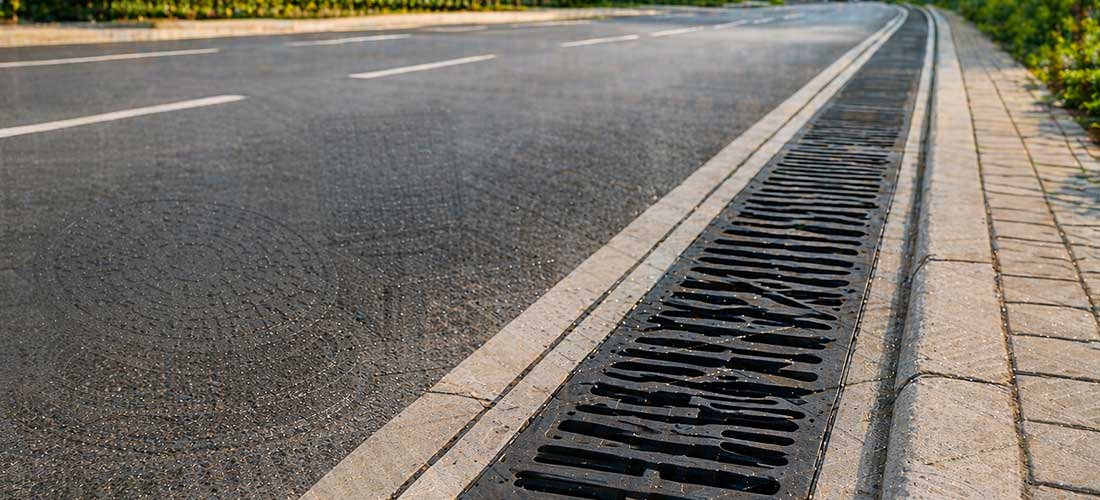
Modern cities depend on invisible systems that keep roads functional, streets drainable, utilities accessible and public spaces safe. Beneath roads, footpaths, industrial yards and transport corridors lies a network of drainage chambers, inspection points, cable routes, valves and underground services. Municipal castings are the engineered components that protect, cover and provide access to these systems.
Products such as manhole covers, gully gratings, trench gratings, surface boxes, telecom covers, valve boxes and inspection covers may appear simple, but they perform critical structural and safety functions every day. When correctly designed, manufactured and specified, they help cities reduce failures, improve maintenance access and extend infrastructure life. When poor-quality products are used, the result can be noise, cracking, displacement, flooding hazards, traffic disruption and expensive repairs.
In urban infrastructure, municipal castings are not minor accessories. They are load-bearing assets. Standards such as EN 124 classify covers and gratings by load class to ensure the right product is installed in the right environment, from pedestrian areas to airports and heavy industrial zones.
Why Municipal Castings Matter for Safety
Protecting Pedestrians and Vehicles
An unstable or damaged cover can create trip hazards, wheel impact risks and vehicle damage. Properly manufactured covers with accurate seating surfaces, anti-slip top patterns and stable frame fitment help maintain safe movement in public areas.
In roads and traffic zones, secure seating and load-bearing capability are especially important because repeated wheel loads can cause rocking, noise and progressive failure if the product is not designed for the application.
Preventing Flooding Through Effective Drainage
Gully gratings and trench drainage covers play a direct role in stormwater management. Their opening geometry must allow efficient water intake while limiting debris entry and maintaining structural integrity.
Poorly designed drainage castings may clog faster, deform under load or fail under repeated traffic conditions. Correctly selected castings help reduce standing water, improve road safety and protect surrounding assets.
Safe Access to Underground Utilities
Utility agencies need routine access to valves, meters, inspection chambers and cable networks. Municipal castings provide controlled, repeatable access while protecting underground assets from accidental loading, contamination and unauthorized entry.
Features such as hinged lids, locking arrangements, ergonomic lifting points and corrosion-resistant coatings can improve maintenance safety and operational efficiency.
The Importance of Load Class Selection
One of the most important technical decisions in municipal infrastructure is choosing the correct load class. EN 124 classifies access covers and gratings from A15 to F900, depending on installation environment and required load resistance.
Typical examples include:
A15 – pedestrian-only areas, gardens, footpaths
B125 – car parks, light vehicle areas
C250 – kerbside channels and verge zones
D400 – carriageways and roads with regular traffic
E600 – industrial yards, heavy wheel loads
F900 – airports, docks and extreme-duty zones
Selecting an underspecified product can lead to premature failure. Overspecifying may increase cost unnecessarily. Good infrastructure design matches the casting class to actual service conditions, including traffic frequency, turning loads and impact exposure.
Why Material Quality Matters
Ductile iron is widely preferred for demanding municipal applications because it combines high strength with improved toughness and impact resistance. This helps the product absorb dynamic loading and resist brittle fracture under service conditions.
Grey cast iron is still used in selected applications, depending on specification, loading environment and project requirements.
Key Material Considerations
Reliable municipal castings depend on:
- Controlled chemical composition
- Sound casting structure with minimal defects
- Adequate wall thickness and rib design
- Consistent hardness and mechanical properties
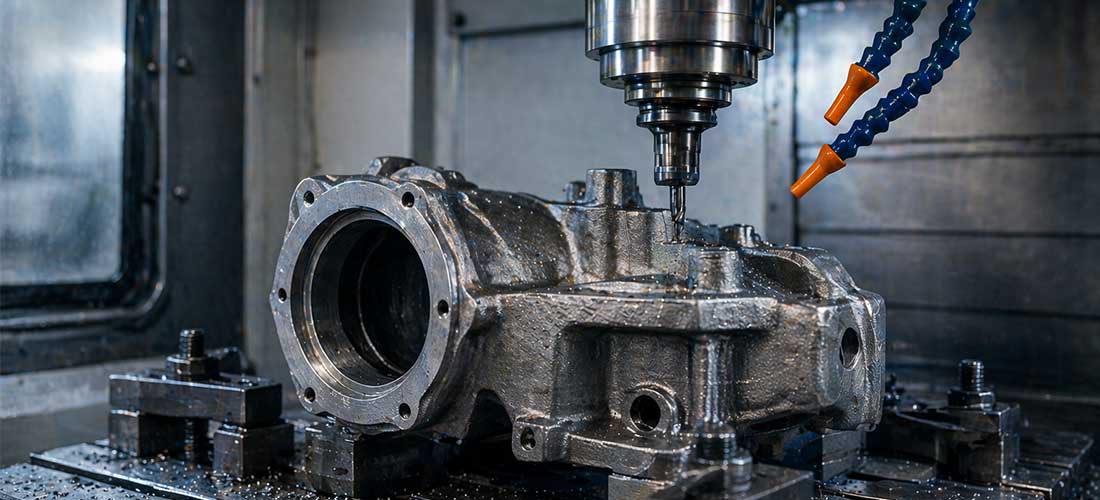
- Proper machining or fitment surfaces where required
Manufacturing Quality: More Than Just Metal
Long-term performance depends not only on material grade but also on process control. High-quality manufacturers invest in:
Precision Pattern and Mould Development
Accurate tooling helps maintain repeatable dimensions and fitment.
Controlled Melting and Pouring
Stable metallurgical control reduces defects such as shrinkage, porosity and inclusions.
Finishing and Surface Preparation
Processes such as fettling, shot blasting and coating improve surface quality and durability.
Inspection and Testing
Dimensional checks, load testing, coating checks and visual inspection help ensure compliance with specification.
A cover that looks acceptable but lacks dimensional accuracy or seating stability can fail long before its expected design life.
Lifecycle Benefits of High-Quality Municipal Castings
Choosing quality municipal castings often reduces total ownership cost through:
- Lower replacement frequency
- Reduced maintenance callouts
- Better resistance to traffic fatigue
- Lower risk of noise complaints from rocking covers
- Improved drainage performance
- Faster utility access during repairs
- Better public safety outcomes
For municipalities, contractors and developers, this means fewer disruptions and better asset value over time.
Where Municipal Castings Are Used Today
Modern urban infrastructure uses municipal castings across a wide range of environments:
- Roads and highways
- Smart city developments
- Airports and logistics hubs
- Residential townships
- Industrial parks
- Ports and heavy yards
- Water distribution networks
- Telecom and data utility corridors
As cities grow denser and more connected, the reliability of these components becomes even more important.
What Buyers and Engineers Should Evaluate
When selecting municipal castings, decision-makers should review:
- Applicable standard (such as EN 124)
- Required load class
- Material type
- Anti-slip surface design
- Coating or corrosion protection
- Hinge / lock requirements
- Dimensional compatibility
- Supplier testing capability
- Traceability and documentation
Final Thoughts
Municipal castings are fundamental to safe and durable urban infrastructure. They protect underground assets, support traffic loading, enable drainage performance and provide essential maintenance access across cities and industrial zones.
Though often overlooked, these components directly affect safety, uptime and lifecycle cost. Selecting the right load class, material quality and manufacturing standard is one of the smartest investments any infrastructure project can make.