
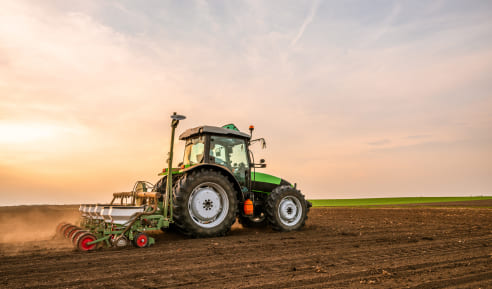
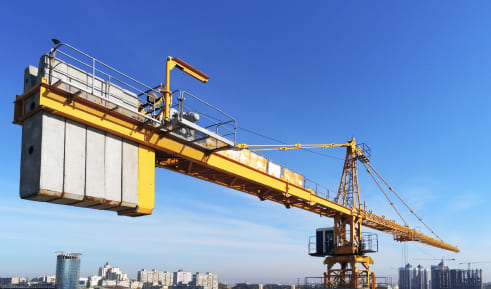
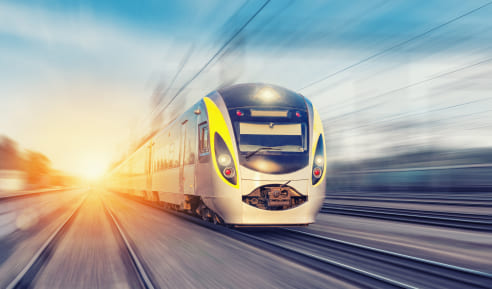

Casting is one of the most efficient ways to produce complex metal components at scale. It enables near-net-shape manufacturing, reduces raw material waste and supports a wide range of product geometries across industrial, municipal, automotive, railway and infrastructure applications. However, many cast components require tighter dimensional control, improved surface finish and precision interfaces that casting alone cannot always achieve.
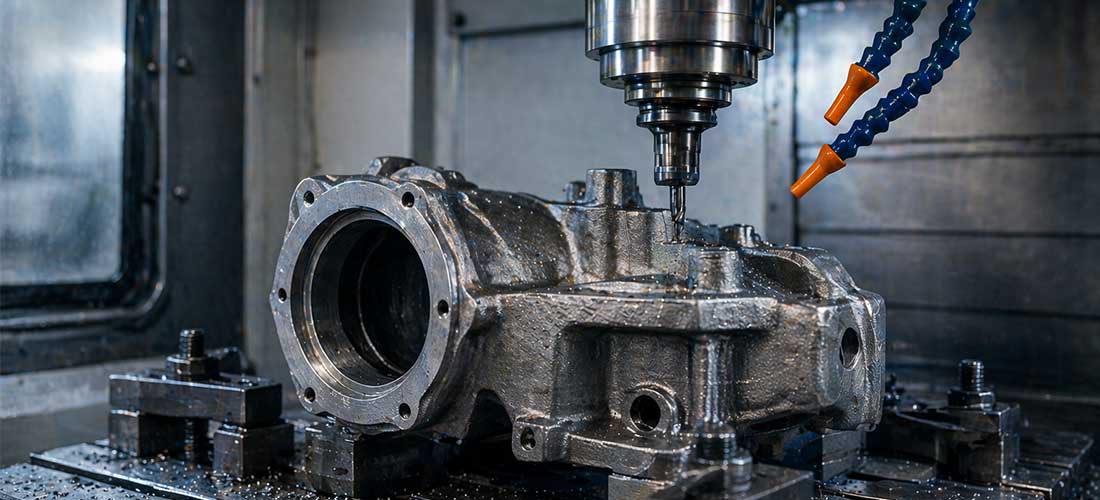
This is where CNC machining becomes critical. By combining casting with Computer Numerical Control (CNC) machining, manufacturers can convert robust near-net-shape castings into finished components that meet strict functional and assembly requirements. In modern manufacturing, CNC machining is not a secondary process. It is a key value-adding stage that determines whether a casting performs reliably in real-world service.
Why Casting and CNC Machining Work Together
Casting and machining are not competing processes. They are complementary.
- Casting creates the primary geometry efficiently
- CNC machining refines critical dimensions and functional surfaces
- Together, they balance cost efficiency, material utilisation and precision
For many components, producing the entire part by machining from solid stock would be expensive and wasteful. Casting creates the bulk shape first, while machining is applied only where precision is required. This hybrid approach is widely used for housings, brackets, covers, pump bodies, valve components, counterweights, machinery parts and infrastructure products.
Key Benefits of CNC Machining in Casting Manufacturing
1. Dimensional Accuracy and Tight Tolerances
As-cast parts naturally experience process variation from shrinkage, mould tolerance, cooling behaviour and material movement. While many dimensions remain within casting tolerances, functional areas often require tighter control.
CNC machining allows accurate finishing of:
- Mounting faces
- Bearing seats
- Bore diameters
- Hole patterns
- Threaded features
- Alignment surfaces
- Flange faces
CNC processes routinely achieve much tighter tolerances than casting alone, making them essential for parts that must fit, seal or align precisely during assembly.
2. Better Surface Finish
Surface quality directly affects sealing performance, coating adhesion, friction behaviour and visual appearance. Cast surfaces may contain parting lines, roughness, minor irregularities or local variations depending on process type.
Machining improves surface finish on selected areas by removing excess material and creating controlled surface textures. This is especially important for:
- Gasket faces
- Pump and valve sealing surfaces
- Sliding contact areas
- Precision mating surfaces
- Customer-facing visible components
A smoother and more consistent finish can improve both product function and perceived quality.
3. Improved Assembly Performance
Many castings are integrated into larger assemblies. Even small dimensional variation can create alignment issues, bolt mismatch, vibration or premature wear.
Machined castings improve assembly efficiency because critical interfaces are finished to specification. Benefits include:
- Faster installation
- Reduced fitment rework
- Better interchangeability
- Lower rejection rates
- Improved repeatability across batches
For OEMs and high-volume production environments, this consistency is a major operational advantage.
4. Complex Features with Functional Precision
Casting is excellent for producing complex external forms, ribs, cavities and internal geometry. CNC machining adds precision where functionality matters most.
Examples include:
- Precision bores in pump housings
- Flatness on machine bases
- Threaded ports in fluid components
- Concentric features in rotating parts
- Datum surfaces for robotic or automated assemblies
This combination enables designers to optimise both manufacturability and performance.
Why Process Control Matters in CNC Machining
The quality of machined castings depends not only on the machine, but on the full manufacturing system.
Accurate Fixturing
Castings often have irregular geometry. Proper fixtures are required to hold the part securely and locate it from defined datums. Poor fixturing can cause dimensional variation or vibration during cutting.
Correct Tool Selection
Tool material, geometry, coating and cutting parameters must suit the casting material, whether grey iron, ductile iron or alloyed grades.
Program Optimisation
Well-developed CNC programs reduce cycle time while maintaining accuracy, tool life and repeatability.
In-Process Inspection
Measurement during machining helps confirm critical dimensions before the part moves to the next stage. This reduces scrap and rework.
Modern CNC systems use digital controls, feedback loops and repeatable motion systems to maintain consistency across production batches.
CNC Machining for Different Casting Applications
Industrial Components
Gear housings, machine frames, brackets and engineering parts often require flatness, drilled holes and machined reference surfaces.
Municipal Castings
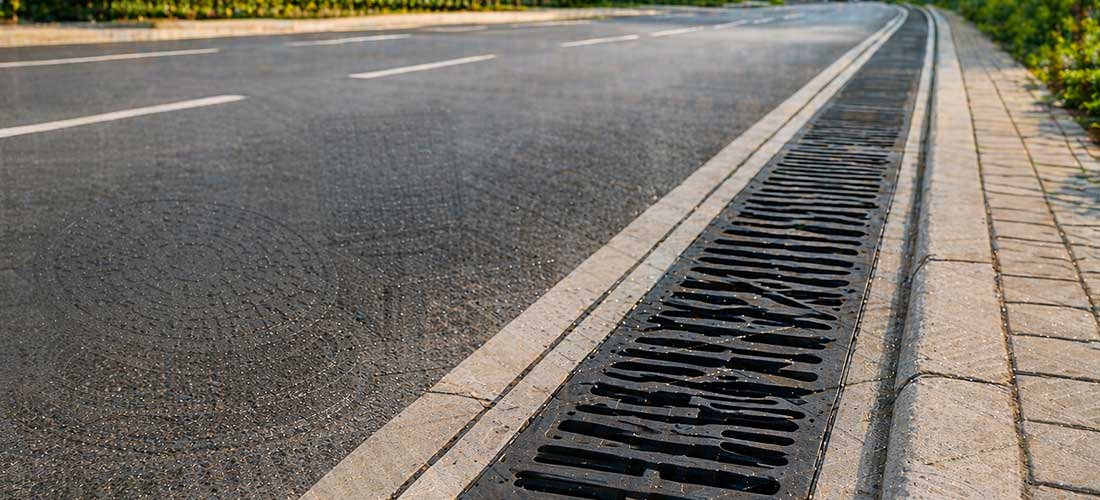
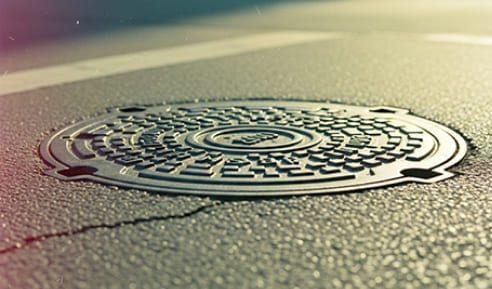
Frames, covers and utility components may require machining for seating accuracy, hinge fitment or accessory interfaces.
Railway and Transport Components
Parts used in dynamic service conditions benefit from accurate fitment and dimensional consistency.
Waterworks and Pipe Components
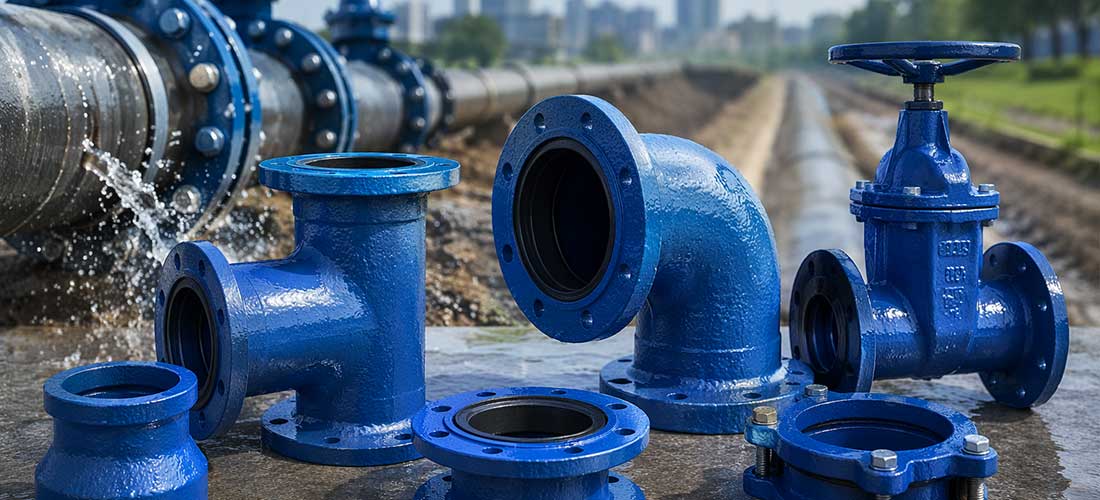
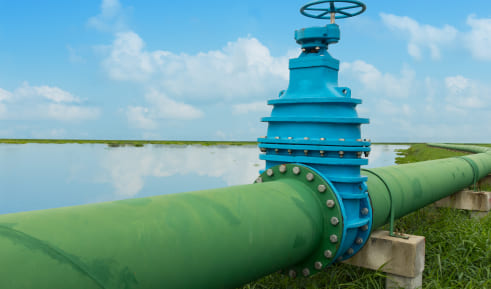
Valve bodies, flanges and fittings require sealing surfaces, bolt-hole alignment and pressure-retaining accuracy.
Economic Value of CNC-Machined Castings
Some buyers focus only on initial piece price. However, lifecycle value often depends on dimensional reliability and reduced field issues. CNC-machined castings can lower total cost through:
- Reduced assembly downtime
- Fewer rejected parts
- Less site modification
- Better product life
- Lower maintenance frequency
- More predictable production planning
In many applications, machining cost is justified by performance and operational savings.
What Buyers Should Evaluate in a Supplier
When sourcing machined castings, customers should assess:
Foundry Capability
Strong casting quality is the foundation of machining success.
CNC Capacity
Availability of suitable CNC machines, turning centres or machining centres for part size and complexity.
Inspection Systems
Use of gauges, CMMs, bore measurement tools and dimensional controls.
Process Documentation
Batch traceability, inspection records and controlled work instructions.
Consistency at Scale
Ability to maintain repeatability across ongoing production volumes.
A supplier with both casting and machining capability can often provide better coordination, shorter lead times and tighter quality control.
The Strategic Advantage of Integrated Manufacturing
When foundry operations and machining are aligned under one quality system, manufacturers can optimise the complete process, from pattern and mould design to final machining and inspection. This improves communication between departments, reduces handling delays and enables faster corrective action when needed.
For customers, this often means a more dependable supply chain.
Final Thoughts
High-quality casting solutions are not defined by metal alone. They are defined by how accurately the final component performs in service. CNC machining plays a vital role in achieving that performance by improving tolerances, surface finish, fitment and consistency.
Casting provides the shape. CNC machining delivers the precision. Together, they create durable, reliable and production-ready components for demanding industrial and infrastructure applications.